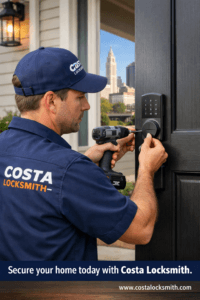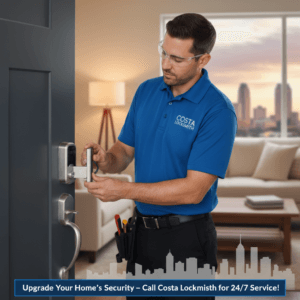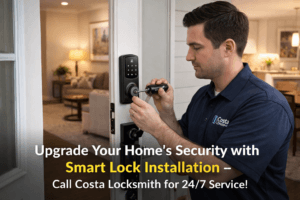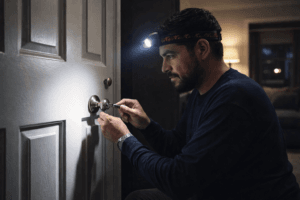
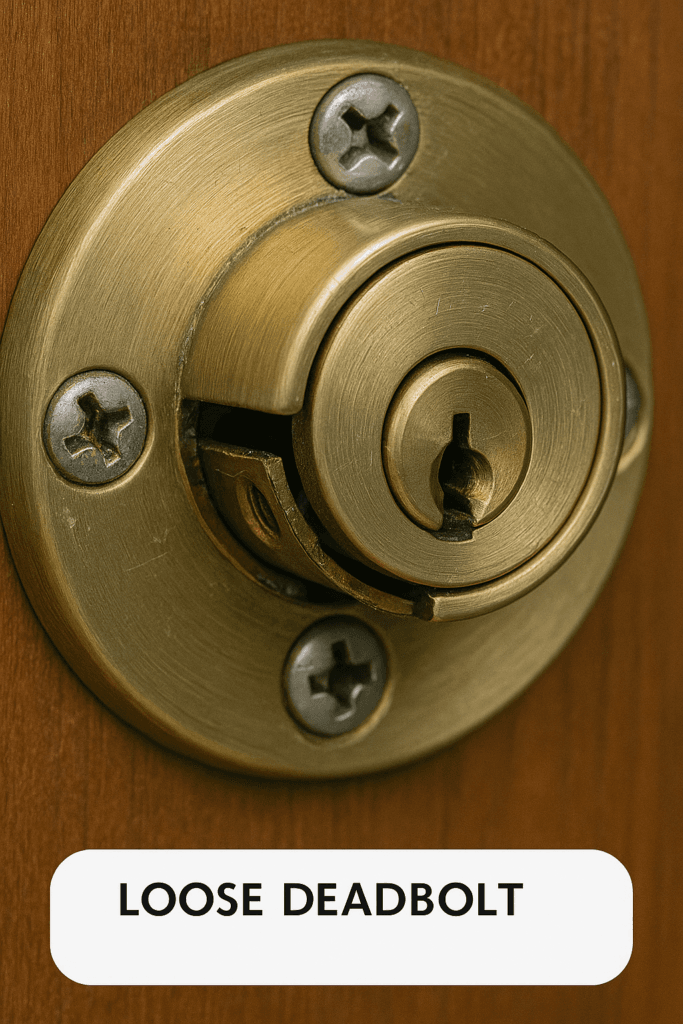
A loose or wobbly door lock may seem minor, but it often signals deeper lock problems and a security risk for Columbus homeowners. A lock that wiggles or turns too easily can stop working, jam, or even fail during lockouts or break-ins.
In Columbus neighborhoods like Clintonville, Gahanna, Hilliard, Franklinton, Short North, German Village, and Reynoldsburg, loose locks are frequently reported due to seasonal temperature changes, older homes, high usage, and general wear over time.
This 2025 guide explains why home door locks become loose, the mechanical causes of wobbly hardware, the safe fixes you can try yourself, and when you absolutely need a residential locksmith to prevent further damage.
If your lock is slightly loose, fully wobbly, or getting worse, this guide gives you the direct steps to protect your home and prevent unexpected lock failures. Visit Our Costa Locksmith Website to Know Other Solutions.
🔍 Why Home Door Locks Become Loose Over Time
Even quality locks can loosen over time. If any moving part misaligns or wears out, the whole mechanism feels unstable.
Here are the most common reasons Columbus homeowners see loose locks.
1️⃣ Loose Screws Inside the Door Hardware
This is the primary reason many locks feel loose.
Inside every lock:
- Mounting screws hold the lock body to the door.
- Screws inside the cylinder hold it in place.
- Lever/knob screws stabilize the exterior hardware.
Over time, these screws loosen due to:
- Frequent use
- Door vibration
- Door slamming
- Seasonal expansion/contraction
- Regular wear
If the lock wiggles or rotates, check for loose screws first.
2️⃣ Door Misalignment Due to Columbus Weather
Columbus sees:
- Hot humid summers
- Dry freezing winters
- Drastic temperature swings
- Regular door swelling and shrinking
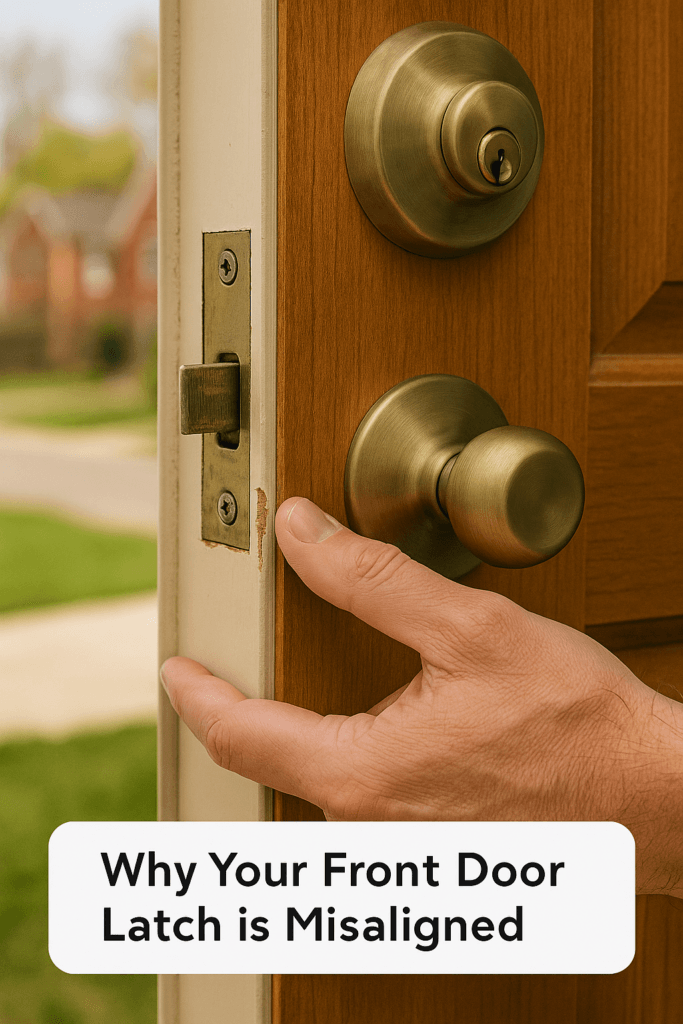
When the door or frame shifts:
- The lock no longer sits perfectly straight.
- The latch may hit the strike plate incorrectly.
- Pressure builds against the hardware.
- Screws loosen over time.
This causes wobbling and inconsistent locking.
3️⃣ Worn-Out Lock Cylinder
A home lock cylinder can wear out after thousands of uses.
Worn cylinders cause:
- Excess play in the keyhole
- Key turning loosely
- Cylinder shifting inside the door.
If your key turns too easily or feels loose, the cylinder may be failing.
4️⃣ Loose or Damaged Strike Plate
If the strike plate screws loosen or the plate shifts:
- The latch doesn’t align
- The lock feels unstable.
- Locking becomes inconsistent
This is very common in older Columbus homes with wooden frames.
5️⃣ Worn Spindle or Lever Mechanism
Knob and lever locks have a spindle connecting both sides of the handle.
When it wears out:
- The handle becomes wobbly.
- Deadbolt may turn inconsistently.
- The locking motion feels loose.
If your handle droops or wiggles, the spindle is likely worn.
6️⃣ Faulty Deadbolt Tailpiece
Inside a deadbolt is a tailpiece that:
- Connects the cylinder to the latch
- Moves when you turn the key
If the tailpiece is bent, worn, or stripped:
- The lock feels loose.
- Sometimes the key turns, but doesn’t retract the bolt.
- The lock may fail completely with warning signs.
This needs professional repair.
7️⃣ Old or Low-Quality Lock Hardware
Many older Columbus homes still use:
- Original builder-grade locks
- Cheap hardware store locks
- Decorative but weak locks
Cheap locks loosen more quickly and fail more often.
If your lock is older than 10 years, looseness may indicate that it is time for a modern upgrade.
🧰 Safe DIY Fixes You Can Try at Home
Before calling a locksmith, follow these safe troubleshooting steps to address a loose lock and determine if professional help is needed.
✔ 1. Tighten Exterior Mounting Screws
Open the door, look at the interior lock plate, and locate:
- Two long screws near the top and bottom
These screws hold the entire lock body together.
Tighten these screws gently until snug, stopping if you feel resistance—do not over-tighten to avoid damaging the lock.
✔ 2. Tighten Handle or Knob Screws
If screws are visible on the handle or knob, use a screwdriver to tighten them until the handle stops moving.
A loose handle often makes the entire lock feel loose.
✔ 3. Tighten Strike Plate Screws
Remove the strike plate and replace the tiny screws with 3-inch wood screws.
This stabilizes the frame and helps lock alignment.
✔ 4. Check Door Alignment
Open the door and test the lock:
- If it turns smoothly when open → alignment issue
- If it’s still loose when open → internal lock issue
Alignment is usually the main cause of loosening.
✔ 5. Test the Key With Gentle Pressure
Insert the key and:
- Turn slowly
- Test for wiggle
- Observe any grinding
If the cylinder moves more than 1–2 mm, repair or replace it.
✔ 6. Lubricate Only the Cylinder (Not the Hardware)
Use:
- Graphite powder
- Teflon-based spray
Avoid WD-40 or oils — they attract dust.
If lubrication helps but not stability, parts are worn.
🚨 When You Must Call a Residential Locksmith
DIY tightening only works for minor issues.
Call a professional if:
- The cylinder spins or wiggles.
- The deadbolt turns loosely.
- The entire lock rotates within the door.
- The strike plate repeatedly loosens.
- The lock feels loose after tightening the screws.
- The key turns, but the bolt doesn’t operate.
- Your door frame is visibly shifting.
- You suspect the lock is worn internally.
- Security is a concern after a move or break-in.
A Columbus residential locksmith can:
- Repair or replace internal lock components
- Reinforce the door frame.
- Rekey or upgrade the system
- Replace worn locks with high-security options.
- Fix alignment issues professionally.
Most jobs take 20–30 minutes and require a full replacement only if parts are worn out.
🔐 Should You Repair or Replace a Loose Lock?
🔸 Repair the lock if:
- Screws are loose
- The strike plate is misaligned.
- The cylinder is only slightly loose.
- The door shifted slightly.
- Lock is under 10 years old.
🔹 Replace the lock if:
- The cylinder is worn out.
- The deadbolt tailpiece is damaged.
- The lock body is warped.
- The door has been forced open before
- You want to upgrade to a smart lock.
- You want better home security.
In many Columbus neighborhoods, homeowners upgrade locks every 7–12 years due to weather and usage.
🛡 Best Lock Types for Columbus Homes (2025)
✔ High-Security Deadbolts
ANSI Grade 1 recommended.
✔ Smart Deadbolts
Ideal for convenience and multi-user access.
✔ Reinforced Strike Plates
Critical for preventing kick-ins.
✔ Weather-Resistant Hardware
Important for Ohio’s seasonal extremes.
A locksmith can recommend the best option for your door material and security level.
Costa Locksmith
Columbus, Ohio
Website: https://costalocksmith.online
Find us On Google To See Our Recent Customer Reviews.
Phone: +1 203-648-2000
❓ FAQ: Loose Home Door Locks
1. Why does my door lock suddenly feel loose?
Loose screws, worn cylinders, or door alignment issues are the top causes.
2. Is a loose lock dangerous?
Yes — it can fail suddenly and affect home security.
3. Can I fix a loose lock myself?
Minor screw tightening is fine, but internal issues require a locksmith.
4. Why does my key feel sloppy when turning?
Your cylinder pins or tailpiece may be worn.
5. Should I rekey or replace a loose lock?
Rekey if the lock works mechanically.
Replace if it’s worn or unreliable.