Nothing is more frustrating than putting your key into your front door lock, trying to turn it, and realizing it won’t move at all. It may feel stuck, stiff, extremely tight, or completely frozen. In some cases, the key turns halfway and jams. In others, the doorknob rotates, but the deadbolt doesn’t engage.
Homeowners across Columbus, Ohio, face this issue more often than they expect – especially during winter temperature changes, rainy seasons, aging properties, and everyday wear and tear. A malfunctioning door lock isn’t just an inconvenience… It’s a real home security risk, leaving your property vulnerable and your family at risk of getting locked out.
Whether you live in Clintonville, Gahanna, Hilliard, Downtown, or a quiet Columbus suburb, a stuck lock usually has a very specific cause – and every cause has a proper fix.
In this full 2025 guide, you’ll learn:
- Why does your door lock suddenly stop turning
- How the weather affects residential locks in Columbus
- Common mechanical failures
- Safe DIY fixes you can try
- When you must call a professional residential locksmith
- How to prevent lock issues in the future
This is the most complete, practical, and homeowner-friendly explanation you’ll find – written specifically for Columbus conditions.
Why Your Home Door Lock Suddenly Stops Turning
Door locks don’t fail without a reason. In 2025, Columbus data shows that the top reasons home locks get stuck are weather, wear, alignment, and outdated hardware. Let’s break down the most common causes.
1️⃣ Weather Changes (Columbus Seasonal Swelling & Shrinking)
Columbus experiences dramatic temperature swings:
- Hot, humid summers
- Cold, dry winters
- Freezing rain
- Sudden temperature drops
Humidity causes wooden doors to swell, shifting the alignment of the lock.
Cold weather causes metal parts to contract, tightening the internal lock mechanism.
This leads to:
- Keys not fitting smoothly.
- Deadbolts jamming
- Locks turning halfway
- Door frames are shifting slightly out of alignment.
If your lock gets stuck only during certain seasons, this is very likely the cause.
2️⃣ Dry Lock Cylinder (Lack of Lubrication)
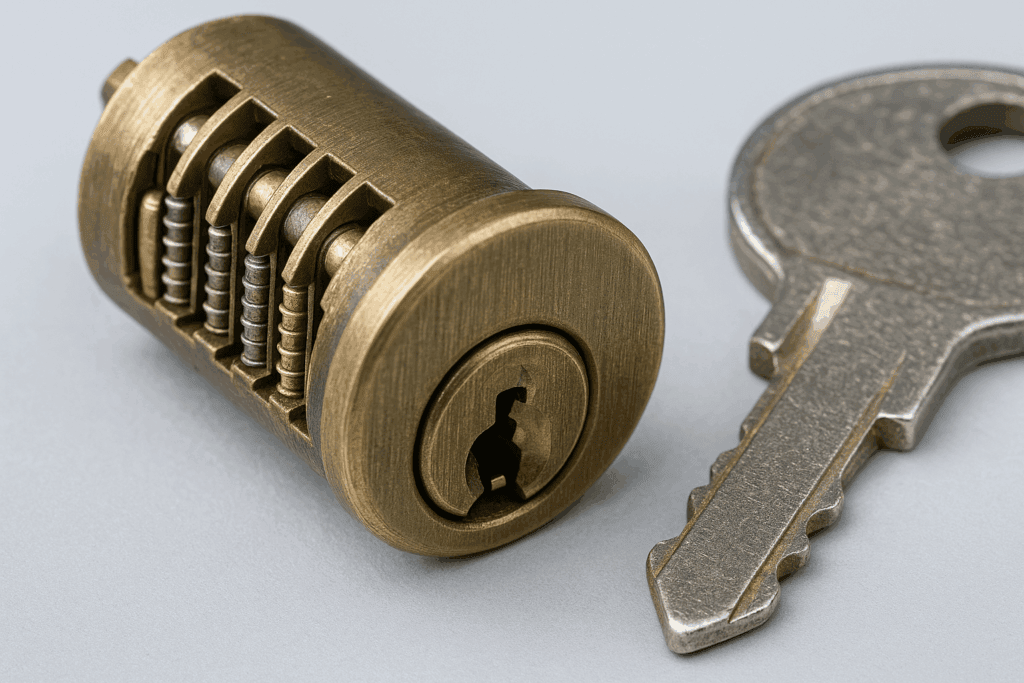
Inside the lock are tiny pins, wafers, and springs. Over time, they collect:
- Dust
- Moisture
- Dirt
- Metal friction buildup
A dry or dirty cylinder becomes stiff.
Your key may enter – but won’t turn.
This happens most often in older homes around Columbus.
3️⃣ Worn-Out or Bent Keys
Keys wear down slowly.
After hundreds of uses:
- Teeth flatten
- Edges dull
- Keys bend
- Pattern no longer matches internal lock pins.
If you must jiggle, twist hard, or pull up/down while turning, your key is worn out.
A worn key can permanently damage your lock if forced.
4️⃣ Misaligned Door Frame or Latch
Homes in Columbus settle over time.
Temperature changes cause wood frames to expand and contract.
This leads to:
- Latch not lining up with the strike plate.
- Deadbolt is hitting the frame.
- The lock is turning but not fully engaging.
If your door scrapes, sticks, or feels tight,misalignment is the likely problem.
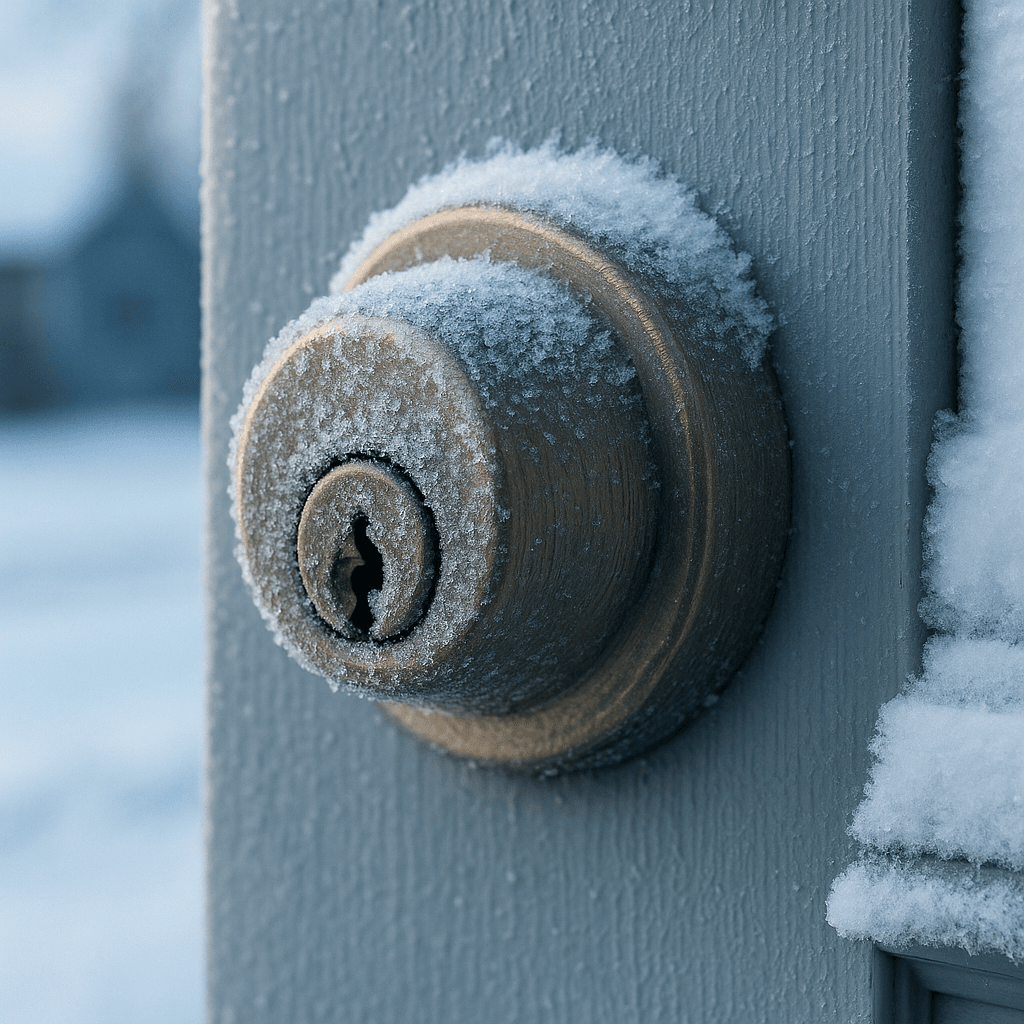
5️⃣ Frozen Locks in Winter
When temperatures drop below freezing, moisture inside the lock can freeze.
This causes:
- A lock that won’t turn at all
- Key stops halfway
- Deadbolt stuck in place.
This problem is especially common during Columbus winters,particularly with doors that lack a covered awning.
6️⃣ Internal Lock Mechanism Failure
Inside the lock are small moving components:
- Springs
- Tumblers
- Cams
- Tailpieces
- Pins
- Latches
If any of these parts breaks, the lock stops working.
You may notice:
- The key turns freely without doing anything.
- Knob spins, but the door doesn’t open.
- Deadbolt doesn’t extend fully.
This requires professional repair.
7️⃣ Incorrect Key or Copy Errors
Not all copied keys are perfect.
If you’ve recently made a cheap key copy, it may:
- Not match the exact cut depth.
- Be slightly misaligned
- Turn partially and then jam.
Hardware store copies are especially unreliable.
8️⃣ Old or Rusted Locks (Common in Older Columbus Homes)
In neighborhoods with older houses:
- Clintonville
- German Village
- Olde Towne East
Locks can become rusty or worn inside over the years.
Age causes grinding, stiffness, and total lock failure.
Safe DIY Fixes You Can Try at Home
Before contacting a locksmith,try these safe steps to fix stuck or stubborn locks without causing damage.
✔ 1. Lubricate the Lock (But Avoid Oil)
Use:
- Graphite powder (best option)
- Teflon-based lock lubricant
DO NOT use:
- WD-40
- Any petroleum oil
- Grease
Oil attracts dust and makes the lock worse over time.
Insert the lubricant into the keyhole, insert the key, and gently twist.
✔ 2. Try a Different Key
If one key doesn’t turn but a spare does –
Your main key is worn out.
Get a locksmith to cut a new key from code, not from a copy.
✔ 3. Check Door Alignment
Open the door and:
- Turn the lock without the door closed.
- If it turns → alignment issue smoothly
- If it’s still stuck → internal lock issue
Try gently lifting or pushing the door to manually align the latch.
✔ 4. Warm the Lock (During Winter)
If frozen, warm the key using your hands.
Insert and gently turn – the heat will thaw internal ice.
Never use boiling water.
It refreezes and damages components.
✔ 5. Tighten Loose Screws
Check:
- Door hinges
- Strike plate screws
- Deadbolt screws
Loose hardware causes locking difficulty.
✔ 6. Clean the Key
Dirt buildup on the key can transfer to the pins.
Wipe it with rubbing alcohol before use.
✔ 7. Remove Obstructions
Check for:
- Splinters
- Paint buildup
- Loose weatherstripping
- Misaligned plates
Home renovations commonly cause these issues.
When You MUST Call a Residential Locksmith
Do NOT attempt DIY fixes if:
- The key is stuck or broken inside the lock.
- The lock cylinder spins freely.
- Deadbolt only turns halfway.
- The door frame moved significantly.
- Lock feels gritty or grinding.
- You need a lock rekeyed.
- You feel unsafe because the lock is compromised.
- The lock is old, rusted, or unpredictable.
- You’re locked out of your home.
A professional residential locksmith in Columbus can:
- Restore smooth lock operation.
- Rekey locks
- Replace damaged parts
- Fix alignment
- Install new deadbolts
- Solve seasonal lock issues.
- Upgrade your entire home security system.
Most repairs are fast and damage-free.
When It’s Time to Replace Your Lock (Not Repair It)
Replace your lock if:
- It’s more than 10–15 years old.
- It rusts or corrodes inside.
- Keys keep getting stuck.
- You’ve had break-ins or attempted entry.
- You want a smart lock for convenience.
- The lock feels unreliable.
Modern smart deadbolts are far more secure and weather-resistant.
Benefits of Professional Lock Repair or Replacement
A trained locksmith ensures:
- Smooth key operation
- Perfect alignment
- Secure locking mechanism
- Weather resistance
- Longer lock lifespan
- Improved home safety
Columbus homeowners often request:
- Deadbolt upgrades
- Smart lock installation
- Rekeying after moving into a new home
- Security reinforcement plates
Costa Locksmith
Columbus, Ohio
Website: https://costalocksmith.online
Google Business Profile: https://maps.app.goo.gl/nCNp6ZaFhc7E45nc8
Phone: +1 203-648-2000
FAQ (Home Lock Problems)
1. Why does my lock turn halfway and stop?
Misalignment or internal pin obstruction.
2. Why does my key only work when I jiggle it?
Worn key or worn lock cylinder.
3. Can cold weather stop a lock from turning?
Yes – freezing moisture is a major cause of winter weather in Columbus.
4. Should I replace or rekey my lock?
Rekey if the lock works mechanically.
Replace if the lock is old or damaged.
5. Why does my deadbolt not engage fully?
Door frame expansion or a misaligned strike plate.